
How to Choose the Right Yard Size for Your Family
Share Article:
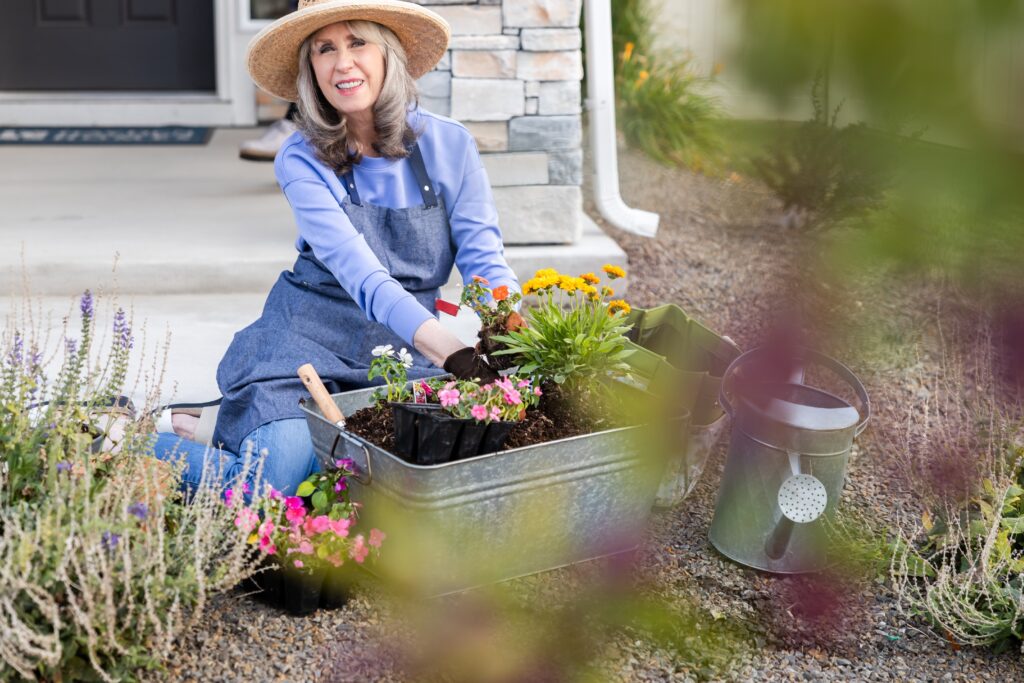
When you’re searching for a home, it’s easy to get swept away by the yard. You might picture a huge lawn perfect for family games or feel a sense of relief at the thought of a tiny, no-fuss patio. The truth is, the best yard isn’t about its size on paper; it’s about how well it fits your real life. Making the right choice means looking past the green grass to honestly assess your family’s needs, budget, and free time. This guide will give you the confidence to choose the right yard size that feels like a gift, not a burden.
The Short Version
The ideal yard size matches your actual lifestyle, not just the biggest one you can afford. A small yard (under 5,000 sq. ft.) is low-effort but limits activities. A medium yard (5,000-10,000 sq. ft.) offers a great balance for most families. A large yard (10,000+ sq. ft.) provides maximum space but demands significant time and money. Your honest answers about how you’ll spend your weekends are more important than the property lines.
Start With Your Lifestyle, Not the Lawn
Before you fall in love with a listing, get clear on what you actually want to do in your yard. The perfect outdoor space should serve your life, not become a second job.
- For Kids and Pets: Do you need a safe, fenced area for a toddler to play or a dog to run? For many, a small, secure patch of grass is enough. If you envision a swing set, a trampoline, and room for a soccer game, you’ll need more space.
- For Hobbies and Passions: Are you a gardener who dreams of raised beds that need good sun? Or do you just want a small herb pot by the door? A woodworker might only need a level spot for a shed, while an artist may want a quiet, inspiring corner.
- For Hosting and Socializing: If you love hosting barbecues for 20 people, you’ll want a large patio and lawn. If your style is more about intimate dinners for four on the deck, a much smaller, well-designed space will work perfectly.
- For Quiet and Relaxation: Sometimes a yard is simply a private sanctuary. You might not need more than a spot for a hammock, a small patio for your morning coffee, or a comfortable chair and a good book.
The Reality of Time and Money
A beautiful yard has recurring costs in both hours and dollars. Be realistic about what you can handle before you commit.
The Time Commitment
Yard work is a weekly chore for much of the year. A standard push mower takes about 30 minutes to cut 5,000 square feet (a little over a tenth of an acre).
- Weekly Hours: A small yard might take an hour per week, a medium yard could require 1.5-2 hours, and a large yard can easily consume 2-4 hours. This doesn’t include seasonal tasks like fertilizing, weeding, or leaf removal, which can take up entire weekends.
The Financial Cost
Beyond the mortgage, a yard has its own budget.
- Equipment vs. Services: A basic set of lawn tools can cost $400-$700+. A riding mower starts around $1,500. Alternatively, hiring a lawn service can range from $150-$300+ per month during the growing season.
- Water Bills: Irrigating a lawn can significantly increase your water bill, especially in dry climates. Watering just 1,000 square feet of lawn with one inch of water uses over 600 gallons.
- Property Taxes: A larger lot often means a higher property assessment and, as a result, higher property taxes each year.

Climate and Sun Orientation
Where your house sits on the lot and the local weather patterns dramatically affect a yard’s usability.
In hot, sunny climates, a yard with mature trees that provide afternoon shade is a huge benefit, making it usable during the hottest parts of the day. In colder regions, you might prefer a south-facing yard that gets maximum sun to melt snow and warm up faster in the spring. If you live in an area with water restrictions, a smaller yard or one designed with drought-tolerant native plants (xeriscaping) is a smarter choice than a vast, thirsty lawn.
Lot Layout and Privacy
The total square footage doesn’t tell the whole story. Pay close attention to the lots layout and features.
- Corner Lots and Slopes: Corner lots often feel bigger but come with more lawn to maintain. A steeply sloped yard, while large on paper, might offer very little flat, usable area for playing or setting up a patio.
- Fences, Trees, and Privacy: A fence provides instant privacy and safety but is a significant expense. Mature trees offer priceless shade but can block sun for gardening and drop a massive amount of leaves in the fall.
- Easements and Setbacks: An easement might give a utility company the right to access part of your yard. Setbacks are local rules that dictate how close you can build to property lines, which can limit where you place a fence, shed, or pool.
Yard Size Tiers: What Do They Look Like?
Square footage can be hard to visualize. Let’s put it into practical terms.
The Small Yard (Under 5,000 sq. ft.)
- Best for: Those who value low maintenance above all else and want a private spot for a grill, a pet, and a small patio set.
- Example: A townhome with a fenced-in 20×30-foot backyard. It’s perfect for enjoying a coffee outdoors, with upkeep taking less than an hour a week.
The Medium Yard (5,000 – 10,000 sq. ft.)
- Best for: Most families looking for a balance. It provides room for kids, a modest garden, and hosting friends, without yard work dominating weekends.
- Example: A classic suburban lot just under a quarter-acre. There’s enough room for a swing set, a 10×10 garden bed, and a patio, all without feeling overwhelming.
The Large Yard (10,000+ sq. ft.)
- Best for: Those whose dream includes a pool, large-scale entertaining, or just lots of space from neighbors, and who either enjoy yard work or can budget for help.
- Example: A half-acre lot that comfortably fits a pool, a large deck, and a play structure, with plenty of open lawn left over for a family soccer game.
Understanding these common yard size tiers is essential when learning how to choose the right yard size for your family.
Smart Alternatives to a Big Yard
If a large private yard feels like too much, remember you have other options.
- Proximity to Parks: A home near a great public park gives you access to playgrounds and open space without any of the maintenance.
- Community Greenbelts: Some neighborhoods are designed around shared greenbelts or walking trails, offering nature right outside your door.
- HOA Amenities: A Homeowners Association might provide community pools, tennis courts, and maintained common areas, giving you resort-style living for a monthly fee.
Your Decision Framework and Checklist
When deciding what size yard best fits your lifestyle, start by thinking about what you’ll actually do out there. Do you need a space for kids and pets to run around, a spot to plant a garden, a place to host barbecues, or just a quiet corner to relax?
Then, be honest about maintenance. How much time are you really willing to spend on yard work each week? This will help you decide between a small, low-maintenance yard and a larger one that requires more effort.
Once you have a clear picture, create a simple checklist:
- Must-Haves: What do you absolutely need? Think a fenced-in area for your dog or a sunny patch for your tomato plants.
- Nice-to-Haves: What would be a great bonus? Maybe some shady trees or an existing patio.
- Deal-Breakers: What’s a definite no? For example, a super steep hill or a yard that backs onto a noisy street.
By figuring out your priorities, you can look at different yards and confidently choose the one that fits your life and how much time you want to spend maintaining it.
Ready to build your dream home? With Simplicity, building a new home on your own land is easy. Start your journey today by contacting our New Home Advisors or browsing our home plans. Let us help you turn your vision into reality today.